How to Plan Social Quarters With a Multichannel Scheduler
Use quarterly planning to connect annual strategy with weekly execution, improve campaign timing, and reduce last-minute social publishing chaos.

Summary: Use quarterly planning to connect annual strategy with weekly execution, improve campaign timing, and reduce last-minute social publishing chaos.
Annual plans are useful for direction, but quarters are where content operations either work or break. Quarterly planning is the bridge between vision and execution. It gives enough range to coordinate campaigns and resources while staying close enough to reality that teams can adapt to performance data and market shifts.
With DM IQ's two-year scheduler, quarterly planning becomes part of a larger timeline instead of a standalone spreadsheet ritual. You can see how Q1 decisions affect Q3 capacity and how seasonal priorities stack across channels. For long-range context, combine this with [two-year content planning](/blog/two-year-content-calendar-planning).
Define quarter outcomes before you define posts
Teams often jump straight into post ideas and then wonder why results feel scattered. Start by defining quarter-level outcomes: pipeline growth, product adoption, category positioning, community engagement, or retention. These outcomes determine campaign mix and publishing intensity.
Once outcomes are clear, map no more than three major campaign arcs for the quarter. Each arc should include objective, primary audience, lead channel, supporting channels, and success metrics. This reduces random posting and improves cross-functional coordination.
A scheduler then becomes a decision tool, not just a publishing tool, because every planned post ties back to a quarter objective.
Use a 30-60-90 detail model inside the quarter
In each quarter, plan the next 30 days in granular detail, the next 60 days in campaign detail, and the final 90-day horizon in directional detail. This layered planning keeps teams responsive without sacrificing momentum.
The first month should include ready assets and approved copy for core cadence posts. The second month should lock major campaign moments. The third month should reserve strategic placeholders and production windows. As each month progresses, you roll detail forward.
This model helps prevent the common quarter-end panic where teams scramble to fill missed slots with low-quality filler content.
- Days 1-30: final drafts, approvals, and scheduled publication times.
- Days 31-60: campaign skeletons with channel adaptations in progress.
- Days 61-90: strategic placeholders tied to quarter objectives.
Coordinate channel roles to avoid content duplication
Multichannel does not mean copy-paste distribution. Each platform should have a defined role in the campaign journey. One channel may generate awareness, another deepen education, and another capture conversion intent.
When roles are explicit, teams avoid repetitive posts that fatigue audiences. DM IQ makes this easier by keeping all channel variants attached to a shared campaign timeline, so strategy remains synchronized while creative execution stays platform-native.
If your team is still posting manually at quarter end, review [automation routines](/blog/automate-posting-routine-multichannel) to reduce execution risk and free strategic time.
Run a quarterly retrospective that upgrades the next cycle
Quarter planning only improves when you close the loop. At quarter end, review not just top-performing posts but operational health metrics: on-time publishing rate, approval turnaround, rework volume, and team workload pressure. These indicators predict future consistency better than vanity metrics alone.
Document what to continue, stop, and test next quarter. Then apply changes directly in the scheduler so learnings become operational updates, not forgotten notes. This is how teams mature from campaign-by-campaign execution to repeatable content operations.
Over multiple quarters, this discipline reduces burnout because the system becomes smarter and more predictable.
Key takeaways
- 01Quarter planning translates annual strategy into realistic execution windows.
- 02A 30-60-90 detail model balances adaptability with publishing consistency.
- 03DM IQ keeps channel roles coordinated and learnings embedded across quarters.
Frequently asked questions
How many campaigns should we run per quarter?
Most teams execute better with one to three major campaign arcs per quarter. More than that often dilutes quality and operational focus.
Should every channel have the same posting frequency?
No. Frequency should reflect platform behavior and team capacity. Consistency matters more than identical cadence across networks.
What if priorities shift mid-quarter?
Use rolling planning and queue reprioritization. Keep objectives stable where possible, but adjust execution details as new information emerges.
Put this into practice with DM IQ.
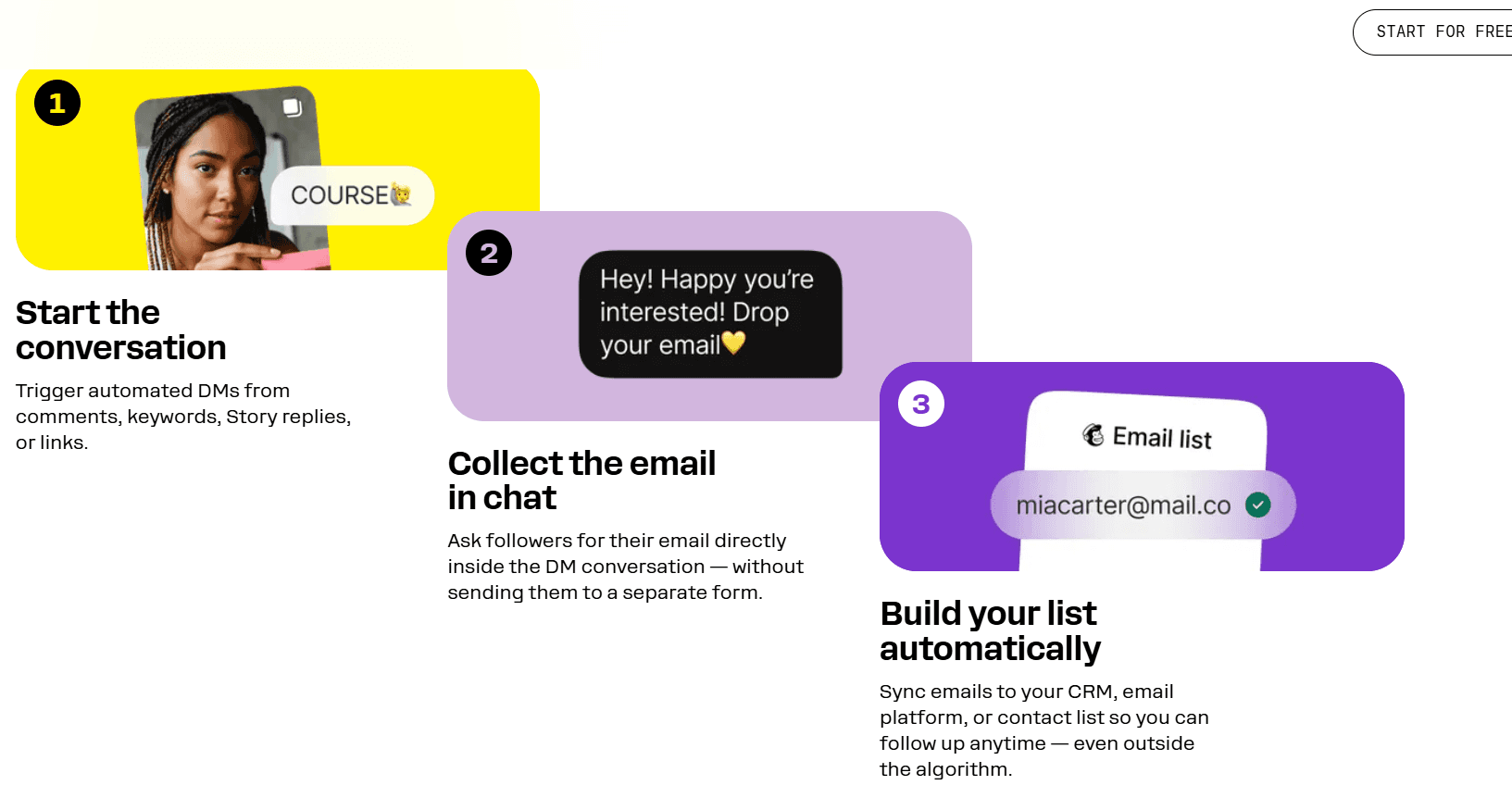
Turn comments, story replies, and DMs into automated lead-capture flows with database-ready records — no code required.
Start free →Keep reading
 Multichannel Scheduling
Long-Horizon Social Media Planning That Still Feels Agile
Long-horizon planning is strategic visibility plus tactical flexibility, not rigid prediction.
 Multichannel Scheduling
Scheduler vs Manual Posting ROI: The Real Cost of Staying Reactive
Manual posting feels free until you measure missed time, missed slots, and missed momentum.
 Multichannel Scheduling
Social Scheduling Tools for Creators: What to Compare Before You Commit
Creators should compare operating fit, not feature checklists, when choosing a scheduler.